
Nature Areas
Columbia Audubon Society owns and manages three nature areas in Columbia and Boone County. These areas, which total more than 200 acres, showcase a wide variety of habitats, including woodlands, meadows, prairies, wetlands, ponds, and streams. We encourage use of these areas for nature study, birding, and other educational activities.
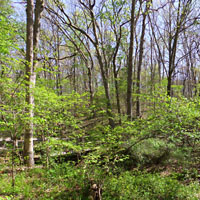
Wild Haven Nature Area >>MORE INFO
Wild Haven is a 103-acre tract on the northeast edge of Columbia consisting mainly of mature forest along a mile-long reach of Hinkson Creek. The area includes an extensive trail system and some high-quality natural habitats, including a small remnant prairie and sandstone glades, as well as a former Christmas tree plantation and two small ponds. Areas are being managed to restore natural habitats, remove exotic plants, and establish habitat demonstration areas.
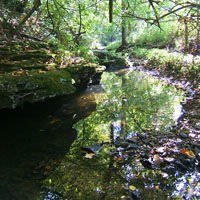
Columbia Audubon Nature Sanctuary >>MORE INFO
A 23-acre site located in Columbia’s city limits at the north end of Cunningham Road, off Bray Avenue. The sanctuary is being developed specifically as a natural area to provide an outdoor educational experience. The land is being returned to its natural, historic state by removing invasive plant and tree species and encouraging the return of a native prairie and forest habitat. Walking trails, benches and bridges increase the area’s accessibility. CAS members’ efforts to develop and restore this area will extend over several years.
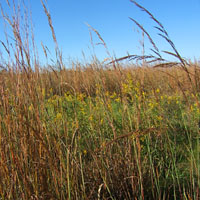
Albert Children's Wildlife Area >>MORE INFO
This 78-acre area lies along Cedar Creek northeast of Columbia. The site originally consisted entirely of coal strip mines, but was reclaimed during the 1990s by the Missouri Department of Natural Resources. Areas were regraded, limed, fertilized and seeded with native grasses and trees. CAS manages the grassland with periodic prescribed burns. The result is a mixed landscape of prairie and wetlands that attracts species of wildlife that require open habitats. Other habitats include riparian forest along Cedar Creek, and several ponds.
Mission
Our nature areas are managed in accordance with our mission, “...to preserve the natural world and its ecosystems focusing on birds, other wildlife, and the earth's biological diversity through education, environmental study and habitat restoration and protection..”
Restrictions
Contacts
and , CAS Nature Areas Committee.
© 2008-2014 Columbia Audubon Society |
 |